Choosing between a heat pump and a furnace is an important decision for homeowners in Edmonton, where winters are long, and temperatures can shift quickly. Both systems are proven heating solutions, but they work in very different ways and perform best under different conditions. Understanding the key differences between a heat pump and a furnace helps homeowners make informed choices based on comfort, efficiency, and how their home responds to Alberta’s climate.
Climate Suitability in Edmonton: Heat Pump vs Furnace
Edmonton’s climate plays a major role in determining which system works best. Furnaces have long been the standard in Alberta because they deliver strong, consistent heat even during extreme cold snaps. When temperatures drop well below freezing, furnaces continue to perform reliably.
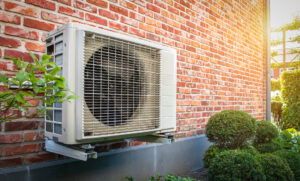
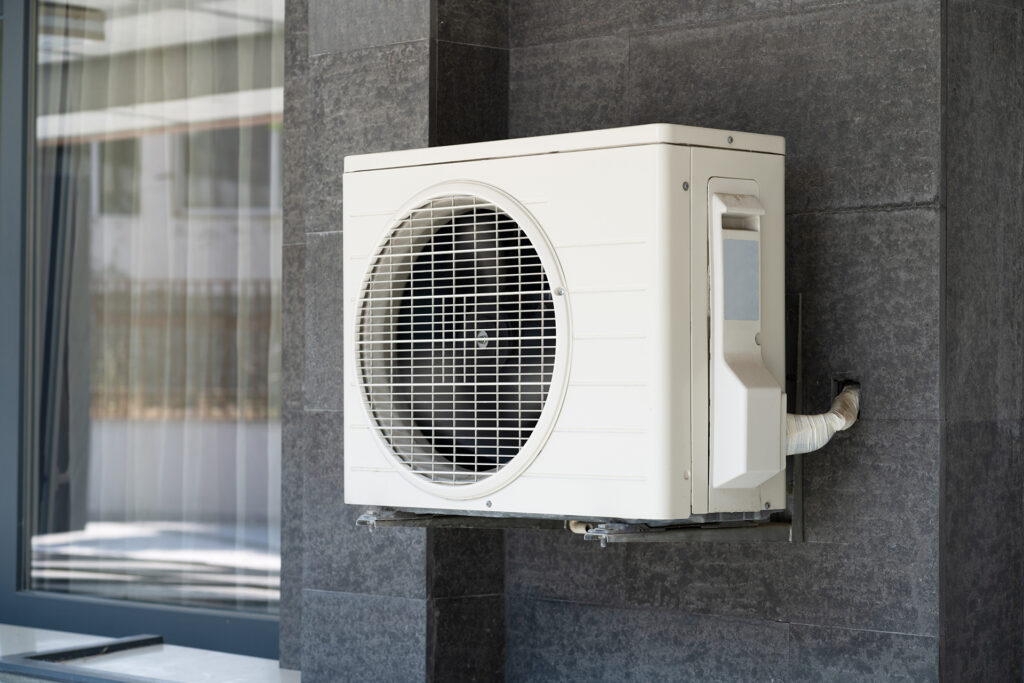
Cold climate heat pumps, on the other hand, perform very well during milder winter temperatures and shoulder seasons like fall and spring. They also provide air conditioning in summer. As temperatures plunge, heat pump output can decrease and defrost cycles are normal. For this reason, many Edmonton homeowners choose a hybrid system that pairs a heat pump with a furnace to handle the full range of winter conditions.
Energy Efficiency: Which Is More Efficient?
When comparing energy usage patterns, heat pumps are typically more efficient in moderate temperatures because they move heat rather than generate it. During much of the year, especially in shoulder seasons, this allows them to deliver steady warmth with less energy input.
Furnaces, while extremely reliable in deep cold, create heat through combustion or electrical resistance. This makes them less efficient than heat pumps in milder conditions, but very dependable when outdoor temperatures are at their lowest. In Edmonton, the most efficient solution often depends on how often the system operates during moderate versus extreme winter weather.
Can a Heat Pump Replace a Furnace?
A common question homeowners ask is whether a heat pump can fully replace a furnace in Edmonton. In most cases, heat pumps alone may not provide consistent comfort during prolonged extreme cold. They are excellent during milder winter days and transitional seasons, but furnaces remain important for reliable heating during the coldest periods.
This is why hybrid systems are common in Alberta homes. A heat pump handles heating when conditions are favourable, while the furnace automatically takes over during extreme cold. This approach balances efficiency and reliability without compromising comfort.
Choosing the Right Heating System for Your Home
When comparing a heat pump vs. a furnace, there is no single best answer for every home. Heat pumps offer efficient operation, steady comfort, and year-round heating and cooling. Furnaces provide powerful, dependable heat during Edmonton’s coldest days. Many homeowners find that a hybrid system delivers the best overall performance by combining the strengths of both.
The right choice depends on your home’s layout, insulation, existing equipment, and how you prioritize comfort throughout the heating season. A professional assessment helps ensure the system you choose is properly sized and suited to Edmonton’s climate.
If you are considering heat pump installation, repair, or maintenance, Spark Heating & Air Conditioning Ltd. is here to help. Our certified technicians provide clear guidance and stress-free service so you can make confident decisions for your home. Call (587) 200-0509 to book a consultation.
FAQs
Can a Heat Pump Work in Edmonton’s Climate?
Yes, heat pumps can work well in Edmonton, especially during milder winter temperatures and shoulder seasons. Cold climate models are designed to operate in low temperatures, but performance decreases during extreme cold. Many homes use a heat pump alongside a furnace for consistent comfort throughout winter.
What Maintenance Does a Heat Pump Need Compared to a Furnace?
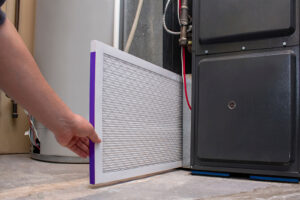
Heat pumps and furnaces both require regular maintenance. Heat pumps need filter changes, good airflow, clear outdoor units free of snow and debris, and seasonal checkups because they run during both heating and cooling seasons. Furnaces typically see their heaviest use in winter and need routine inspections, filter changes, and airflow checks. For either system, staying on a regular maintenance schedule helps protect performance and reliability.