Heat pumps are no longer a niche option in Alberta. As technology has improved and homeowners look for more efficient, flexible ways to heat and cool their homes, heat pumps have become a serious consideration across the province. For homeowners in Alberta, especially in and around Edmonton, the big questions are practical ones. Do heat pumps actually work in cold weather? How do they fit into our long heating season? And what should homeowners know before moving forward with an installation?
This article is designed to answer those questions clearly and honestly. We will explain how heat pumps work in Alberta’s climate, what factors influence their performance, how to choose the right system for your home, and how heat pumps can reduce heating energy use during much of the year. The goal is not to push a one-size-fits-all solution, but to help homeowners make informed decisions with confidence.
How Heat Pumps Work in Alberta’s Climate
At a basic level, heat pumps do not create heat the way a furnace does. Instead, they move heat from one place to another. Even when outdoor temperatures feel extremely cold, there is still heat energy present in the air. A heat pump captures that energy and transfers it indoors to warm your home. In summer, the process reverses, removing heat from inside the house and releasing it outdoors to provide cooling.
This technology is not new, but what has changed significantly in recent years is how well heat pumps perform in colder regions. Modern cold climate heat pumps are specifically engineered to handle environments like Edmonton, where winters are long, and temperatures can swing dramatically.
Functioning in Cold Temperatures
One of the most common concerns homeowners have about heat pumps in Alberta is whether they can keep up during winter. Cold climate heat pumps are designed with advanced compressors, variable speed technology, and refrigerants that continue to absorb and release heat at much lower temperatures than older systems.
That said, performance still depends on outdoor conditions. As temperatures drop, a heat pump has to work harder to extract heat from the air. During milder winter days, which make up a large portion of the heating season, heat pumps can operate very efficiently and maintain consistent indoor comfort. During extreme cold snaps, which Alberta homeowners know well, output naturally decreases.
This is why many heat pump installations in Edmonton are designed as hybrid systems. A heat pump handles heating during moderate conditions, while a high-efficiency furnace supports the home during the coldest periods. This approach ensures reliable comfort without forcing the heat pump to operate outside its ideal range.
The Role of Heat Pumps in Winter and Summer
One of the biggest advantages of a heat pump is that it is a year-round comfort system. In winter, it provides steady, even heat without the hot and cold cycles some homeowners notice with traditional furnaces. In summer, the same system functions as an air conditioner, moving heat out of the home and helping maintain comfortable indoor temperatures.
For many homeowners, this means fewer systems to maintain and a more consistent comfort experience throughout the year. Instead of relying on separate equipment for heating and cooling, a heat pump brings both functions together in one integrated solution.
Understanding Heat Pump Factors in Alberta
Installing a heat pump in Alberta requires thoughtful planning. Climate is only one part of the equation. The performance and comfort you experience over time depend heavily on how the system is designed, installed, and maintained.
Installation Factors and Considerations
Before recommending a heat pump, a certified technician evaluates several key factors that influence how well the system will perform in an Edmonton home.
One of the first considerations is whether a ducted or ductless system makes the most sense. Homes with existing ductwork may be well suited for a ducted heat pump, while older homes, additions, or spaces with uneven heating can benefit from ductless systems.
Proper sizing is critical. A system that is too small may struggle to maintain comfort, while an oversized system can short-cycle and reduce efficiency. Technicians also assess airflow and the condition of existing ducts, since restricted airflow can limit performance regardless of system quality.
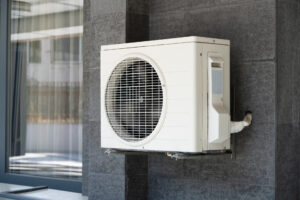
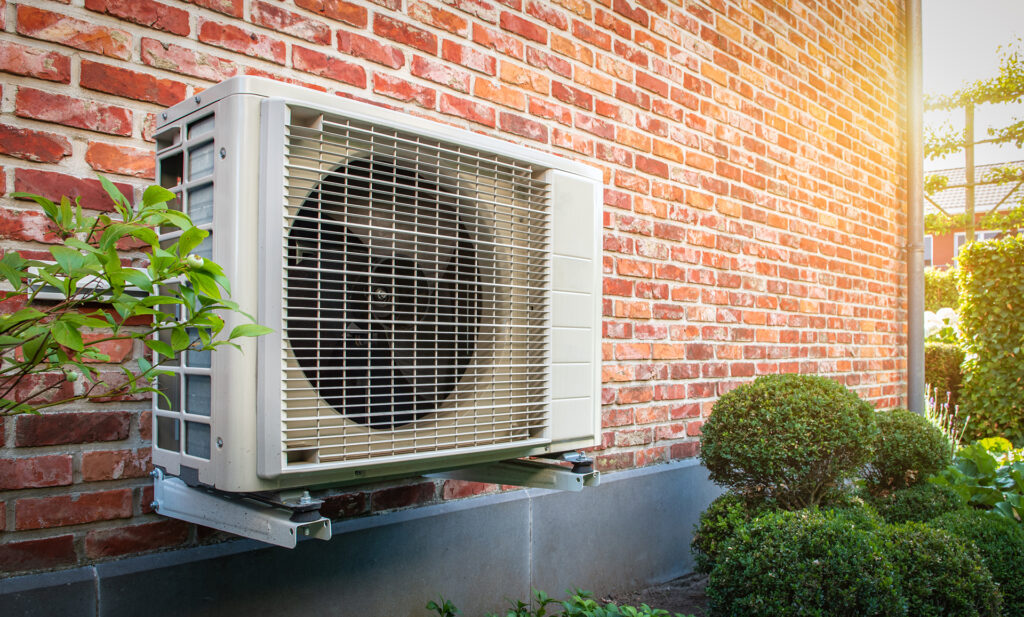
Outdoor unit placement is another important factor in Alberta. Units must be positioned with adequate clearance to manage snow accumulation, ice buildup, and airflow. Noise considerations, available space, and proximity to living areas are also part of the planning process.
Electrical capacity is often overlooked but essential. Heat pumps may require electrical panel upgrades or dedicated circuits to operate safely and effectively. Compatibility with existing thermostats and control systems is also reviewed to ensure proper communication and performance.
Finally, Edmonton’s cold snaps influence overall system design. Many homeowners benefit from hybrid-ready configurations that allow the heat pump and furnace to work together seamlessly when conditions demand it.
Long-Term Benefits
When properly designed and installed, heat pumps offer several long-term comfort and efficiency benefits. During shoulder seasons, when outdoor temperatures are moderate, heat pumps can handle most or all of a home’s heating needs efficiently and quietly.
In winter, a hybrid setup allows the heat pump to reduce reliance on the furnace during milder days while still ensuring dependable heat during extreme cold. This balanced approach supports comfort without unnecessary strain on either system.
Long-term performance also depends on regular maintenance. Simple steps such as keeping filters clean, ensuring vents remain unobstructed, clearing snow from outdoor units, and scheduling seasonal checkups help protect efficiency and system life. Proper care allows the system to perform as intended year after year.
Choosing the Right Heat Pump for Your Alberta Home
Choosing a heat pump is not just about selecting a product. It is about matching the system to your home, your comfort expectations, and Alberta’s climate realities.
Factors to Consider When Choosing a Heat Pump
Home size and layout play a major role in system selection. Larger homes or multi-level layouts may require different configurations than smaller or more open spaces. Insulation quality and air sealing also matter, as heat pumps perform best in homes that retain heat effectively.
Energy efficiency ratings designed for cold climates are another key consideration. Not all heat pumps are built the same, and systems intended for milder regions may not deliver the same results in Edmonton.
Existing heating equipment and electrical infrastructure also influence what options are practical. In many cases, homeowners find that integrating a heat pump with an existing furnace creates a flexible and reliable solution.
Comparing Heat Pump Types
Air source heat pumps are the most common choice for Alberta homes. They draw heat from the outdoor air and are well-suited for urban and suburban properties. Modern cold-climate air source systems can perform effectively during much of the year when properly installed.
Ground source heat pumps, sometimes called geothermal systems, use the stable temperatures below ground to provide heating and cooling. These systems can offer excellent performance, but they require more space, planning, and installation work. They are typically better suited for properties with adequate land and long-term planning horizons.
A professional assessment helps homeowners understand which type of system aligns best with their home and comfort goals.
How Heat Pumps Reduce Heating Energy Use in Alberta
Heat pumps reduce heating energy use by moving heat instead of generating it. This distinction is especially important in Alberta, where temperatures vary significantly throughout the heating season.
Energy Efficiency Benefits
When outdoor temperatures are moderate, heat pumps can deliver a strong amount of heat relative to the electricity they use. This is because they are transferring existing heat rather than creating it from scratch. Cold climate models are designed to manage defrost cycles efficiently and maintain performance during Alberta winters.
Installation quality plays a major role in real-world efficiency. Proper airflow, correct refrigerant levels, and well-designed duct systems all support consistent operation. Homes with good insulation and air sealing further enhance the benefits.
Reduced Furnace Run Time and Smarter Winter Operation
In hybrid systems, a heat pump can handle a significant portion of heating needs during milder winter days. This reduces how often the furnace needs to run, especially outside of deep cold periods. When temperatures drop sharply, the furnace takes over to maintain comfort without interruption.
Homeowner habits also influence results. Keeping filters clean, ensuring vents are open and unobstructed, and using thermostat settings appropriately all help the system operate smoothly. These small actions support consistent comfort and reliable performance throughout winter.
Make the Right Choice for Your Home’s Comfort and Efficiency
Heat pumps can be an excellent option for Alberta homeowners when they are designed for cold climates and installed with care. They provide efficient heating during much of the year, dependable cooling in summer, and steady comfort through changing seasons. For many Edmonton homes, a hybrid heat pump and furnace system offers the best balance of efficiency and reliability.
Proper sizing, professional installation, and regular maintenance are essential to long-term performance. With the right approach, heat pumps can play a valuable role in modern home comfort.
If you are considering heat pumps in Alberta, Spark Heating and Air Conditioning Ltd. is here to help. Our certified technicians take the time to understand your home, explain your options clearly, and deliver service with no stress and no surprises. Homeowners in Edmonton and surrounding communities can call (587) 200-0509 to book a consultation and get trusted guidance for 2026 and beyond.
FAQs
How Do Heat Pumps Work in Alberta's Cold Climate?
Heat pumps move heat rather than generate it. Cold climate models are designed to keep transferring heat even at low outdoor temperatures. Performance varies depending on temperature, insulation, and airflow. Many Edmonton homes use a heat pump alongside a furnace to maintain comfort during extreme cold snaps.
Should I Choose a Heat Pump, a Furnace, or a Hybrid System in Alberta?
Heat pumps perform well during shoulder seasons and milder winter days, while furnaces are strongest during deep cold. A hybrid system combines both strengths, providing steady comfort across Alberta’s wide temperature swings. A home-specific assessment from certified technicians is the best way to determine the right fit for your needs.