Anyone who lives in Edmonton knows that winter does not ease in gently. One stretch of cold turns into weeks, and before long, the furnace is running almost nonstop. That is usually when homeowners start noticing things that felt minor before. Bedrooms that never quite warm up. Floors that stay cold no matter how high the thermostat is set. A constant draft near the windows. Those are all signs that heat is escaping faster than it should. Heat loss is not always obvious. It happens quietly, through small gaps, thin insulation, or systems that are working harder than they used to. Over time, those small issues add up. Comfort drops. Energy bills climb. And the furnace takes on more strain than it needs to during Edmonton’s long heating season.
Why Are Homes in Edmonton Losing Heat During Winter? Top Causes Explained
Many Edmonton neighbourhoods are filled with homes built in the 1960s, 70s, and 80s. They were built solidly, but energy efficiency was not the focus it is today. Add Alberta’s winters into the mix, and it becomes easier to understand why heat loss is such a common problem. In most cases, it is not one big issue. It is a handful of smaller ones working together.
Insulation Issues
Insulation is what slows heat down. When it is missing, uneven, or worn out, warmth does not stay where it belongs. Attics are a common trouble spot. Heat naturally rises, and if attic insulation is thin or has shifted over the years, warm air escapes straight up. Walls can be another issue, especially in older homes where insulation standards were lower. Basements and rim joists also tend to leak heat, letting cold air in while warm air slips out. Homes with insulation issues often feel uneven. Upstairs rooms run cold. Ceilings feel chilly. Some spaces never quite reach the temperature on the thermostat.
Gaps and Drafts
Drafts do not need to be dramatic to cause problems. Small gaps around windows, doors, outlets, and vents let warm air escape little by little. Edmonton’s freeze-thaw cycles take a toll on homes. Caulking cracks. Weatherstripping dries out. Materials shift. Over time, tiny openings form, and cold air finds its way in. Drafts are often most noticeable on windy days or during deep cold snaps, when the pressure difference between inside and outside is highest.
Inefficient Heating Systems
A furnace can still be running and not be running well. Older systems, or furnaces that have not been maintained regularly, often struggle to distribute heat evenly. Dirty filters, worn components, and restricted airflow force the system to work longer to produce the same result. As efficiency drops, heat loss becomes more noticeable. The furnace runs more. Comfort goes down. Energy use goes up.
Edmonton’s Climate
Edmonton winters are long and demanding. Average winter temperatures often sit below -10°C, and cold snaps can push far lower. The heating season can stretch across half the year. That kind of demand magnifies small problems. A minor insulation gap or draft that might be tolerable in a milder climate becomes a major comfort issue here. Even newer homes can experience heat loss if small weaknesses are left unchecked.
How to Prevent Heat Loss in Edmonton Homes
Preventing heat loss is mostly about helping your home hold onto the warmth it already has. Many improvements are straightforward and make a noticeable difference once winter sets in.
Upgrading Insulation
Insulation upgrades are one of the most effective ways to reduce heat loss. Attics should have enough insulation to meet current standards, especially in older homes. Blown-in insulation is commonly used in Edmonton because it fills gaps and provides more even coverage. Basement areas and rim joists are also worth attention. These spaces are often overlooked but play a big role in keeping cold air out and warm air in. Better insulation improves comfort and reduces how hard your furnace has to work through the winter.
Sealing Gaps and Drafts
Air sealing is one of the most cost-effective improvements homeowners can make. Start with windows and doors. Worn weatherstripping is easy to replace and can noticeably reduce drafts. Caulking around frames, wall penetrations, and exterior openings helps seal visible gaps. Attic hatches, basement windows, and garage entry doors are common sources of cold air and often benefit from extra sealing. Small changes can make a bigger difference than most people expect.
Regular Furnace Maintenance
A well-maintained furnace heats more evenly and responds better to demand. Regular tune-ups help ensure proper airflow, clean components, and safe operation. Maintenance also catches minor issues early, before they turn into breakdowns during peak winter demand. When the furnace is working efficiently, the effects of heat loss are easier to manage.
What to Do Before Calling a Technician for Heat Loss Issues
Some heat loss problems can be checked safely at home before scheduling service.
Check Your Furnace Filter
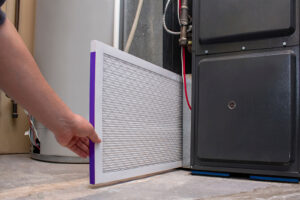
A dirty furnace filter restricts airflow and reduces heat delivery. During winter, filters should be checked about once a month. Replacing a clogged filter often improves airflow and comfort quickly.
Look for Visible Gaps or Drafts
Walk through your home and pay attention to how the air feels near windows, doors, and exterior walls. Cold spots, drafts, or moving curtains are good clues. Temporary fixes like draft blockers or weatherstripping can help until permanent repairs are made.
Adjust the Thermostat
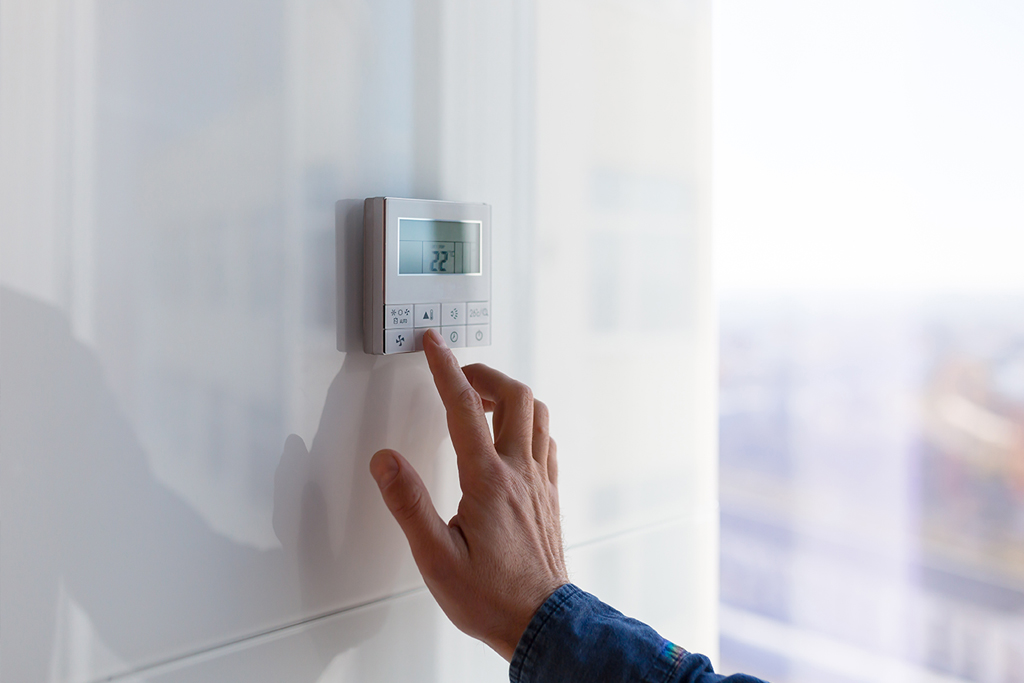
Make sure your thermostat is set consistently and programmed correctly. Large temperature setbacks can make the home feel colder than necessary, especially during extreme cold. If you use a programmable or smart thermostat, double-check that schedules match your daily routine.
When to Call a Technician for Heat Loss Issues
Some situations are best handled by a professional.
Furnace Breakdown or Poor Performance
If your furnace is running but not heating properly, cycling frequently, or making unusual noises, it is time for service. These issues often point to mechanical or airflow problems that basic troubleshooting will not solve. A professional furnace repair inspection can restore comfort and prevent further damage.
Persistent Drafts or Insulation Issues
When drafts continue despite sealing efforts, or insulation upgrades are needed, a technician can assess the home and recommend the right solutions. A proper evaluation helps ensure improvements are effective and long-lasting.
Ensure Comfort and Efficiency by Preventing Heat Loss
Heat loss is one of the main reasons Edmonton homes feel cold and uncomfortable in winter. Insulation gaps, air leaks, and inefficient heating systems all contribute, especially during long stretches of extreme cold. Addressing these issues early helps improve comfort, control energy costs, and reduce strain on your furnace. If your home still feels cold after basic checks, Spark Heating & Air Conditioning is ready to help. Call (587) 200-0509 or book an inspection today to keep your home warm, efficient, and stress-free all winter long.